
Malaysia is set to add 30 new data centres over the next decade, with each facility requiring up to 100MW of power, 24/7. This level of demand is equivalent to the electricity consumption of around three million homes and represents one of the fastest electricity demand growth trajectories in ASEAN.
As AI-driven data centres scale rapidly, the implications for Malaysia’s electricity system are becoming increasingly significant. Managing this growth will require more than additional supply, with greater focus needed on how demand is forecast, managed and integrated into the grid.
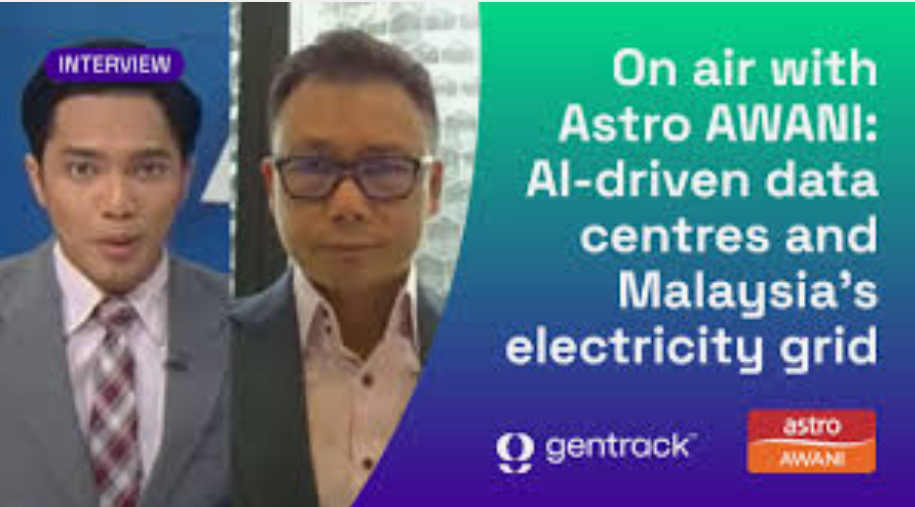
In a recent interview on Astro AWANI, Malaysia’s national news channel, Jason Ong, General Manager Asia at Gentrack, shared insights on how the rapid rise of AI-driven data centres is reshaping electricity demand and what it will take to keep the grid resilient.
During the interview, Jason highlighted why grid modernisation must move beyond traditional one-way infrastructure and become intelligent and data-driven. He discussed the role of digital technologies, including solutions such as those provided by Gentrack, in supporting utilities as demand patterns become more complex and time-sensitive.
Key areas highlighted in the discussion included:
- Real-time data and forecasting to anticipate demand spikes
- Smarter orchestration and demand flexibility, including time-of-use tariffs
- Renewables, storage and cross-border power trade to support net zero goals
With the right market mechanisms and digital foundations in place, Malaysia has the opportunity to turn this next wave of AI investment into a catalyst for a more secure, flexible and future-ready electricity grid.